
781.512.7272
Call Kuhlman - Open xx

® It's Electric!!!If you have been considering an electric vehicle, there has never been a better time than right now. Many states are offering tax incentives for new buyers, increasing the number of public EV chargers, and shortening the gap between charging stations on highways.
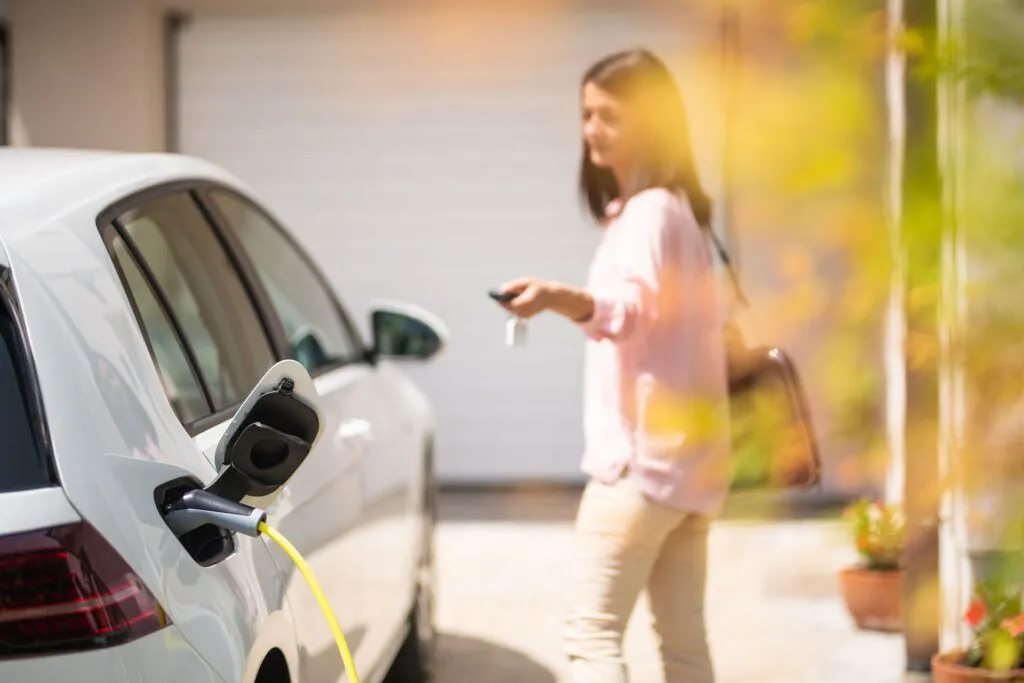
Kuhlman Electric is a Tesla-preferred EV charger station installer, and we’ve gathered data to rank the top ten states to live in if you own an electric vehicle. We found three main ways to break down the top 10 states—
Ready to see if you live in one of the top 10 states to own an electric vehicle? Read on!
As electric vehicles rise in popularity for their ability to reduce emissions and create a more sustainable future, many states have offered tax incentives for those interested in buying or leasing an EV.
The state-based tax incentives range from $1,000 to up to $7,500 in tax rebates for purchasing an electric vehicle. Be sure to read the details as certain restrictions apply.
Sourced: https://afdc.energy.gov/fuels/laws/ELEC
Currently, there are around 140,000 public EV chargers across the United States. By 2030, that number is projected to increase to approximately 1.4 million chargers based on demand. Below, you will find the U.S. states with the highest number of public charging stations and each state’s percentage of the total number of EV chargers nationwide.
Sourced: https://www.visualcapitalist.com/interactive-ev-charging-stations-across-the-u-s-mapped/
The Department of Transportation (DOT) has designated almost 60,000 miles of highway in 48 states as being “corridor ready.” Below, you’ll find a list of the ten states with the highest number of EV charging corridors in miles.
According to the DOT, an EV corridor is a stretch of road where drivers can find charging stations within 50 miles of each other and no more than 5 miles off a freeway. This allows EV drivers to travel easily for long distances without having to worry about finding a location to plug in.
Source: https://www.statista.com/statistics/1342635/us-ev-charging-corridor-miles-by-state/
The lithium-ion batteries in electric vehicles are negatively impacted by cold weather, so you might notice a decrease in your car’s performance as temperatures drop below freezing. In cold weather, you are putting more strain on your battery, as more electricity is needed to maintain battery temperature, heat your car, and run the defrosters.
In 2021, Consumer Reports stated that an unplugged EV driving range could decrease by about 20 percent when temperatures are below 10°F, and it also takes longer for batteries to recharge in these conditions.
However, this isn’t to say that you shouldn’t get an electric vehicle if you live in New England or the northern states. Gas-powered cars also struggle in the cold, with freezing temperatures leading to dead batteries, fuel line ice, and engine oil thickening.
Based on the tax incentives and publicly available chargers, you’ll notice that many colder states are some of the best for owning an electric vehicle.